How long is 6 inches? 15 Common 6 inches long Things

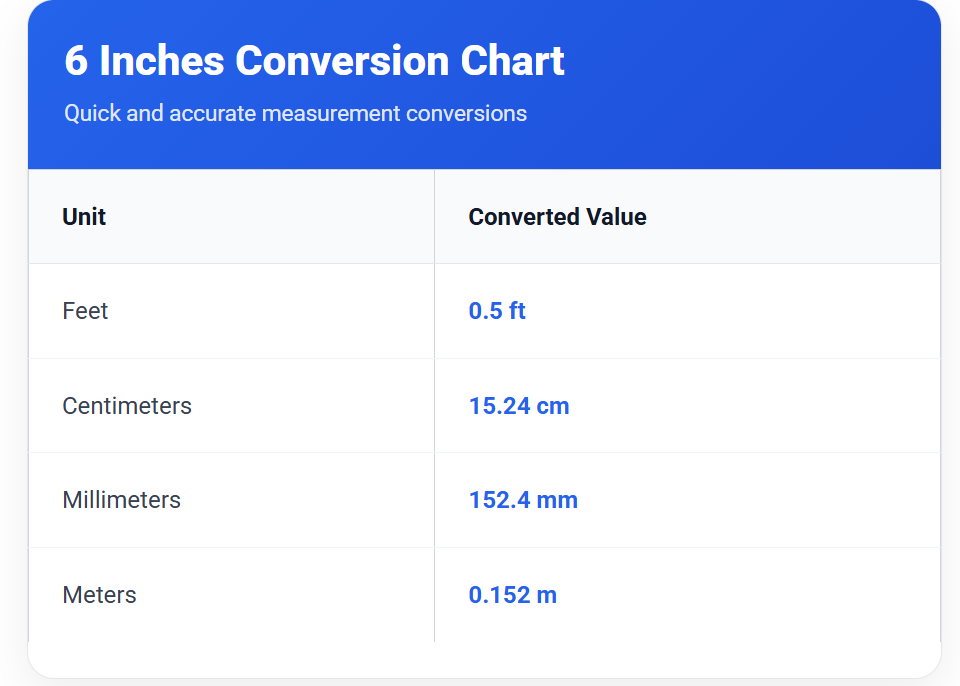
6 inches is equal to 0.50 ft, 15.24 cm, 152.40 mm, 0.152 m.
Many people wonder, “How long is 6 inches?” when they need a quick size reference for shopping, home projects, or crafts. Six inches is a common measurement, but it can feel unclear without a ruler. This length falls between small items and mid-sized objects, making it useful in many situations.
Six inches is equal to 15.24 centimeters, linking the imperial and metric systems. A simple way to estimate this size is to compare it with everyday objects. Many common items, like tools and stationery, are about six inches long.
Below, you’ll find tables and explanations of 15 everyday items that are around 6 inches long, with clear descriptions of how each object represents this measurement.
Common Objects That Are About 6 Inches Long
You will learn how long is 6 inches compared to an object.
| Common Item | Approximate Length |
| Standard pencil | 6 inches |
| Smartphone (large size) | 6 inches |
| Dollar bill (US) | 6.14 inches |
| Kitchen knife blade | 6 inches |
| TV remote (medium size) | 6 inches |
| Adult hand (palm to fingertip) | 6 inches |
| Paperback book width | 6 inches |
| Ruler half-length | 6 inches |
More Everyday Items Around 6 Inches
| Common Item | Approximate Length |
| Envelope (long edge) | 6 inches |
| Makeup brush (full size) | 6 inches |
| Hair comb | 6 inches |
| Smartphone charging cable head section | 6 inches |
| Sunglasses (folded) | 6 inches |
| Dessert fork | 6 inches |
| Notepad height | 6 inches |
How Big Is 6 Inches?
Six inches is a common length for many everyday items. It is half a foot, 15.24 centimeters, or 152.4 millimeters. This size is easy to recognize because many objects people use daily are around this length. Items about six inches are visible and easy to hold, which is why many tools and accessories are made close to this size.
In comparison, six inches is longer than 5 inches and noticeably longer than 4 inches. When placed side by side, you can easily see these small differences. Common objects like a standard pencil, a TV remote, and some paperback books measure around this length. Using these familiar items helps people estimate size without a ruler.
You can estimate six inches using simple references. Half of a 12-inch ruler is exactly six inches. People often compare lengths with everyday objects. Placing one object next to another helps determine if something is shorter, longer, or close to six inches.
Here are some easy ways to estimate six inches:
- A standard wooden pencil before sharpening is about 6 inches.
- Half of a 12-inch ruler is exactly 6 inches.
- Many medium TV remotes are around 6 inches long.
- A dessert fork usually measures about 6 inches.
- The width of some paperback books is close to 6 inches.
- Folded sunglasses often measure about 6 inches.
- It’s 6 times than 2 inches.
1. Standard Pencil
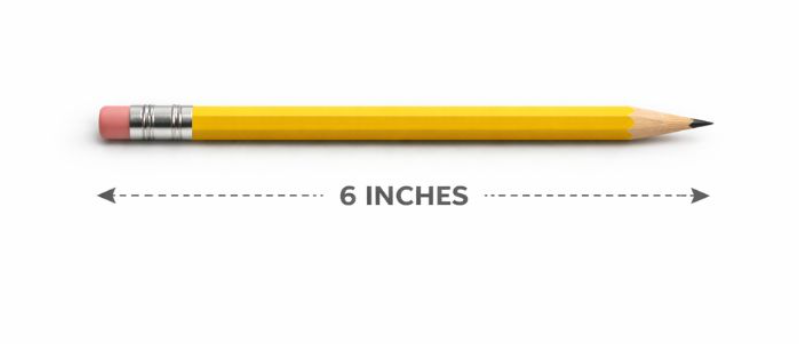
A standard wooden pencil is about six inches long before sharpening. This length makes it a familiar and reliable reference. Pencils are designed to fit comfortably in your hand while being long enough for easy writing.
When you place a pencil on a desk, it clearly shows what six inches looks like. Pencils are straight and uniform, giving a consistent visual guide. Students, artists, and office workers often learn to judge size based on tools they use daily, and the pencil is a common tool.
Pencils help compare shorter measurements. For instance, objects around 4 inches long look noticeably shorter than a full pencil. This can make it easier to estimate the size of small items like tools, craft supplies, or packaging.
If you align a pencil with the edge of a notebook or book, that length is also close to six inches. This can be useful for estimating small gaps, widths, or packaging sizes.
2. Large Smartphone
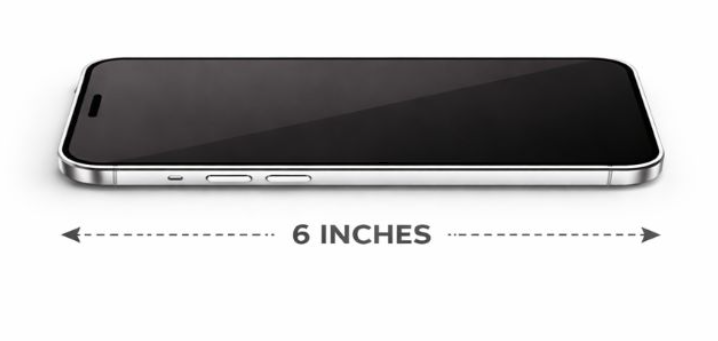
Many modern smartphones, especially larger ones, are about six inches tall. This size became popular as screens grew for reading, watching videos, and multitasking.
A six-inch phone fits comfortably in one hand while providing a large display. When laid flat on a table, its size is easy to see and remember. Since phones are usually close by, they work well as a reference when you don’t have a ruler.
This comparison helps when estimating the size of bags, boxes, or storage areas. Holding a phone upright shows how long six inches is in daily life.
3. US Dollar Bill
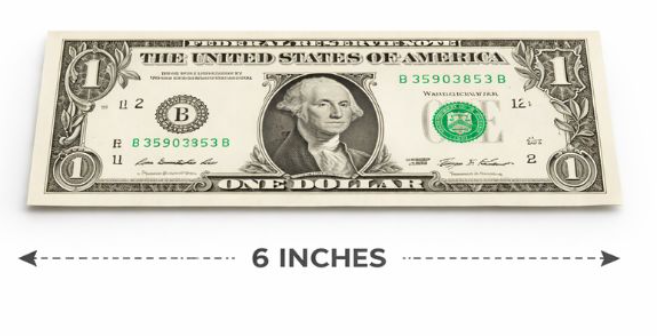
A US dollar bill is about 6.14 inches long, close to six inches. Its standard size makes it a reliable reference.
Bills are thin and flat, making them easy to compare with other objects. Many people use cash often, so they become familiar with its length.
Since the bill is just a bit longer than six inches, it can help visualize shorter lengths. For example, when you compare it to something around 8 inches, you’ll see that the bill is is little smaller that length, which helps in estimating smaller items.
For measuring small envelopes, document widths, or wallet sizes, a dollar bill is a surprisingly accurate guide for about six inches.
4. Kitchen Knife Blade
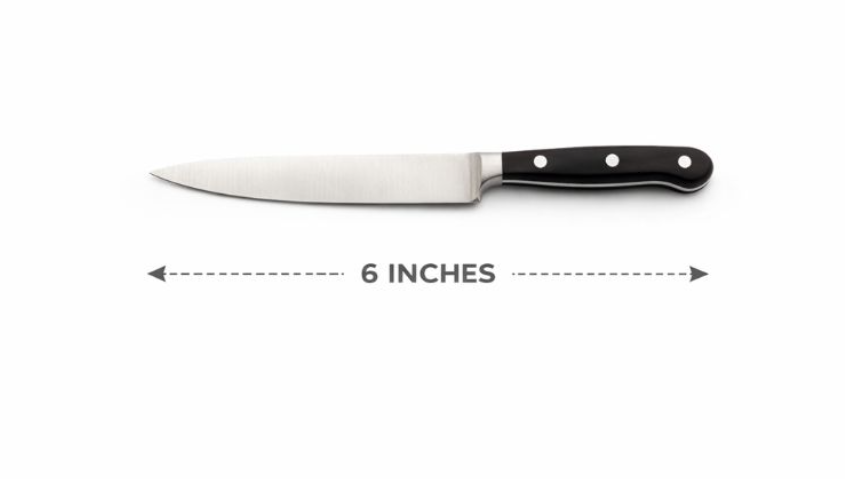
Many small to medium kitchen knives have blades that measure about six inches. This size offers good control and efficient cutting, making it popular in home kitchens.
A six-inch blade feels strong without being too big. When you put it on a cutting board, it shows a solid, straight line.
Since knives are hard and made of metal, their size is easy to remember. You can use this measurement to estimate lengths for cooking tools, drawer organizers, or counter space.
5. Medium TV Remote Control
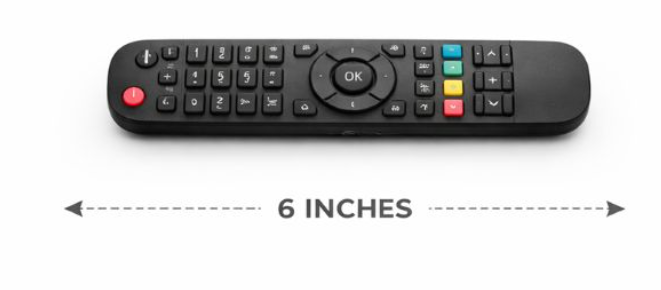
A medium-sized TV remote is about six inches long. It’s made to fit comfortably in your hand and has enough buttons to work well.
When you place the remote on a couch or table, its size is clear. Since people use remotes every day, they usually remember their size.
Knowing this size helps when estimating storage space in armrests, console drawers, or electronic accessories.
6. Adult Hand (Palm to Fingertip)
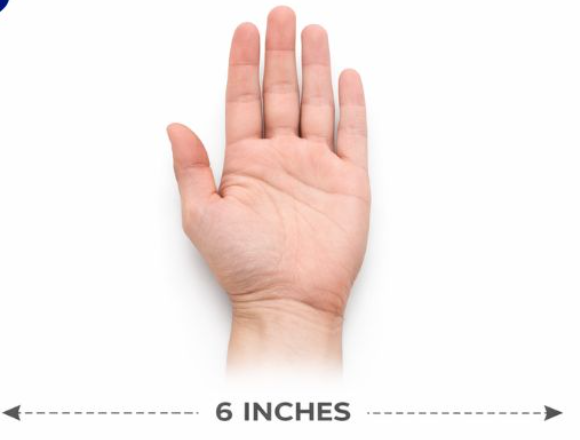
Many adults have a hand span from the base of the palm to the tip of the middle finger that is about six inches. While hand sizes can differ, this is a useful way to estimate sizes.
Hands are always nearby, making this an easy method for measuring things quickly. Tailors, builders, and craftspeople often use hand sizes for fast estimates.
This method is great for rough measurements and works well in everyday situations.
People often use hand measurements as quick size references. For example, small items like keys or compact tools may be about 2 inches, while a full hand span reaches six inches, showing how sizes increase.
7. Paperback Book Width

Many paperback books are about six inches wide. This size makes them easy to read and carry.
When you hold a paperback, it feels balanced. Laying the book flat shows a clear six-inch width.
This six-inch measurement helps when figuring out how deep a shelf should be or how much space is needed in a bag or for storing documents.
Book sizes also help us understand different measurements. A paperback is about six inches wide, while smaller notebooks or pocket guides can be around one inch thick. This shows how different sizes affect everyday items.
8. Half of a Standard Ruler

A 12-inch ruler cut in half gives you a clear six-inch reference. This is a great way to see the measurement.
Just thinking about half a ruler creates a strong image in your mind. This technique is helpful for tasks like crafting, school projects, or planning layouts.
Rulers help you understand what six inches looks like, so you don’t have to guess.
9. Long Edge of an Envelope

Some standard envelopes are about six inches long. Since they are common in offices and homes, they are easy to reference.
Their flat shape and straight edges help with alignment. This makes envelopes useful for estimating the size of documents, folders, or mail slots.
Since we often handle envelopes, we quickly get used to their size.
10. Full-Size Makeup Brush
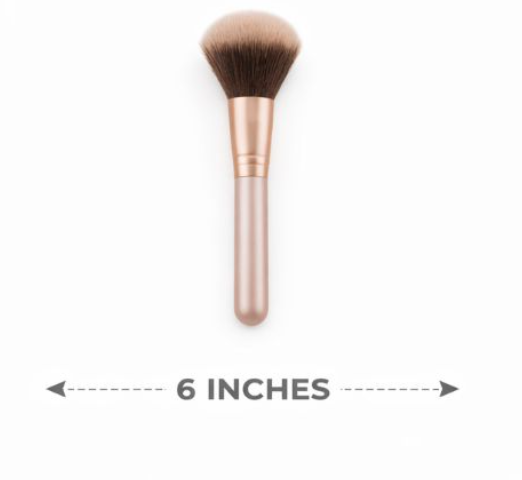
A full-size makeup brush is usually about six inches long. This length gives you good control and fits easily in cosmetic bags.
When you lay the brush flat, it provides a straight line for easy comparison with other items. Many people use makeup brushes every day, making this size well-known.
You can use this size as a guide when estimating pouch sizes or travel organizers.
11. Hair Comb
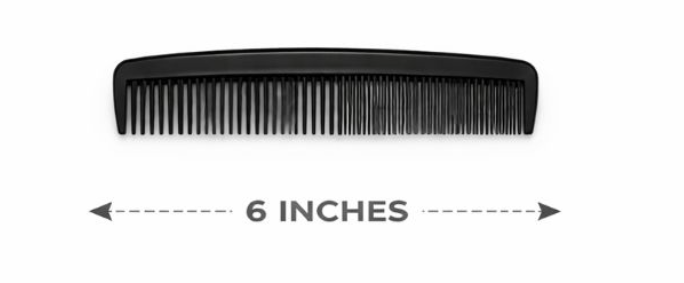
Many standard hair combs are about six inches long. They fit comfortably in your hand and grooming kits.
The comb’s sturdy design makes it easy to recall its length. When you compare it to common items, you can clearly see it’s six inches long.
This comparison helps when figuring out how much space you need in your toiletry bag.
12. Charging Cable Head Section

Some charging cables have a connector and strain-relief section that is about six inches long. This part is usually stiff and easy to see.
Since people use cables often, they recognize their size. This knowledge helps when choosing cable clips or desk organizers.
13. Folded Sunglasses

Many sunglasses are about six inches when folded. They are made to fit standard cases.
Their straight and compact shape makes them easy to picture. This helps when estimating space in small storage cases or bags.
14. Dessert Fork
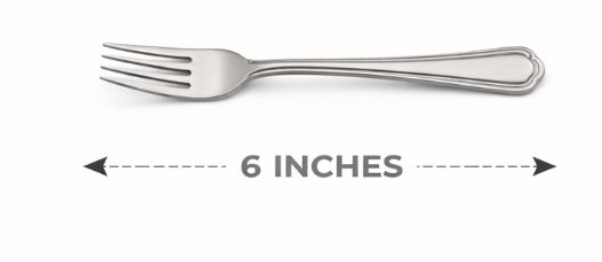
A dessert fork is usually about six inches long. This size makes it easy to hold and not too big.
It’s easy to recall cutlery sizes since we use them every day. Laying a fork flat shows its six-inch length clearly.
15. Small Notepad Height

Many small notepads are about six inches tall. These pads are easy to carry and great for quick notes.
When you hold them, they fit well in your palm, making it easy to gauge their size. This info is helpful for planners, journals, and storing stationery.
What is 6 Inches?
Six inches is a unit of length. It is equal to half a foot or 15.24 centimeters. You can use inches to measure things like paper, screens, or furniture.
Final Thoughts: how long is 6 inches
Six inches is a common measurement found in many everyday things. You can easily estimate this length by comparing it to familiar items like pencils, phones, books, and tools, so you don’t need a ruler. These references help you make sizing choices at home, work, and when shopping.